
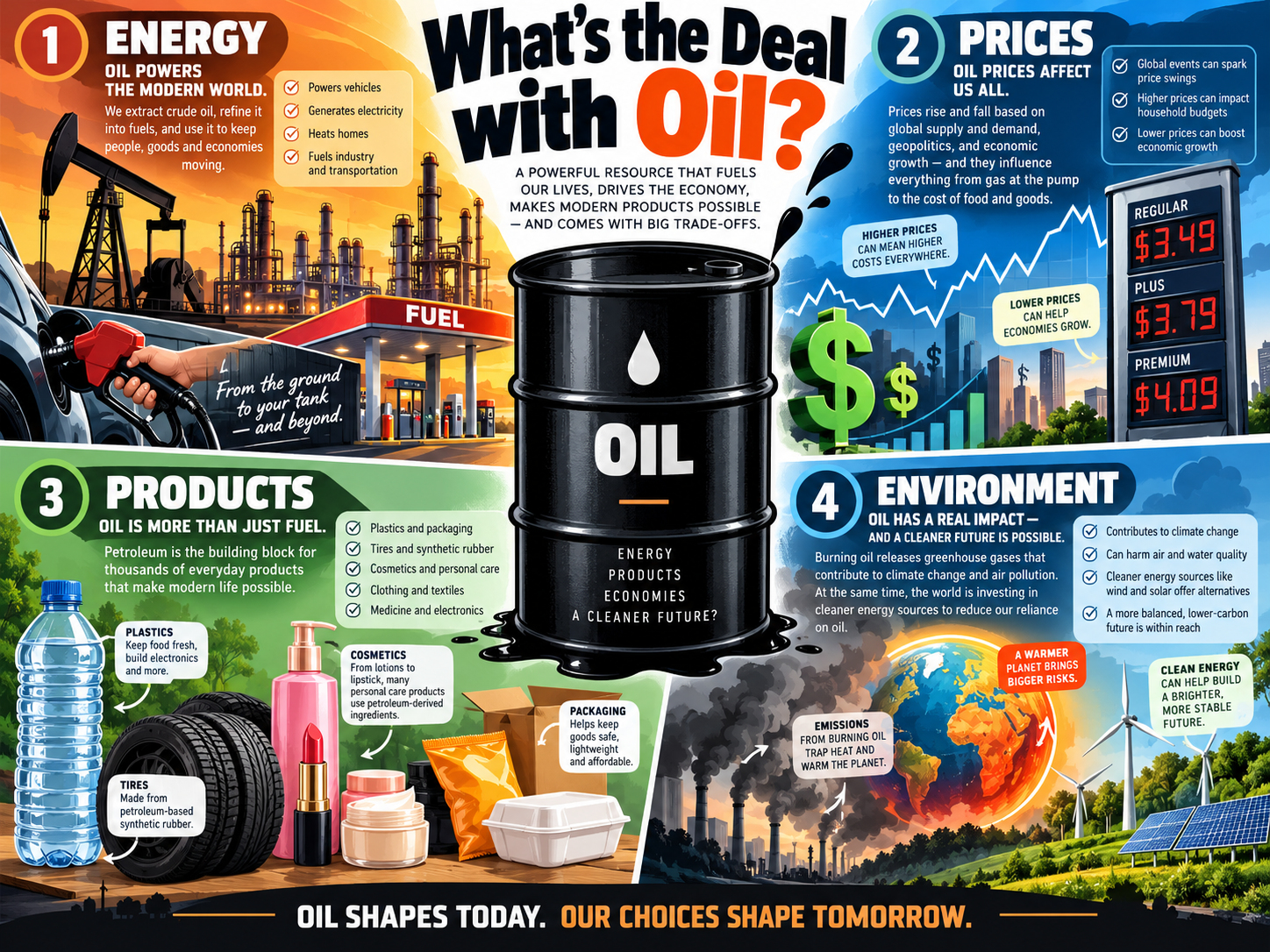
What is the deal with oil?
Presented by Marc Aarons
I hope you’re doing well. With oil prices continuing to fluctuate, I wanted to reach out with some information on what’s driving the changes and why these fluctuations seem to affect so many areas of everyday life beyond the gas pump.
The current volatility largely stems from the war between the United States and Iran that began on February 28, 2026. Since oil is traded in a global market, geopolitical uncertainty can quickly ripple through economies worldwide. Below are some key areas to be aware of.
1. Concerns About Global Supply Disruptions
One of the biggest issues surrounding oil right now is the uncertainty regarding the Strait of Hormuz, a narrow shipping route that handles a significant share of the world’s oil transportation. When conflict or instability is present in the region, it can become difficult to transport oil reliably through the Strait of Hormuz, causing markets to respond negatively to such instability.
Even the possibility of delays or reduced supply can push prices higher as buyers and investors react to uncertainty.
2. Oil Markets Respond To Expectations, Not Just Current Supply
Oil prices move for a few reasons, including what’s happening today and what markets believe could happen next. For example, when investors believe supply conditions may stabilize, prices may decline, and when concerns about disruptions grow, prices may move higher. That uncertainty can lead to rapid swings in pricing, even if actual supply hasn’t changed much yet.
In fact, we saw this near the beginning of the conflict, when prices rose sharply because markets reacted to expectations about what could happen next rather than to immediate shortages.
3. Oil Is a Global Commodity
Even though the United States produces a large amount of oil domestically, prices here are still influenced by what happens around the world. That’s because oil is traded globally, meaning supply disruptions in one region can affect pricing everywhere.
In other words, oil prices are driven not just by how much oil the U.S. produces but by how stable the broader global supply picture appears to be.
4. Higher Oil Prices Affect More Than Gasoline
When most people think about rising oil prices, they immediately think about higher prices at the pump. While an increase in the price of gasoline is often the most noticeable effect, oil plays a much larger role in the economy than many people realize.
Oil and petroleum-based products are used in transportation, manufacturing, packaging, farming, and shipping, which means price increases can ripple through many parts of everyday life.
Some areas commonly affected include, but are not limited to:
- Airfare and travel costs
- Shipping and delivery expenses
- Groceries and food production
- Plastics and packaging
- Clothing made with synthetic materials
- Home heating and utilities
- Manufacturing and construction materials
Over time, businesses often pass at least a portion of those added expenses along to consumers. That’s one reason oil prices are watched so closely by economists and financial markets: Their impact tends to extend well beyond the energy sector itself.
5. Inflation and Economic Growth Can Also Be Affected
Persistent increases in oil prices can contribute to broader inflation because energy plays such a central role in the economy. Higher fuel and transportation costs can increase operating expenses for businesses and reduce consumers’ purchasing power, meaning their dollars may not stretch as far as they once did.
_________
While headlines surrounding oil and global conflict can feel unsettling, it’s important to remember that markets have historically navigated periods of uncertainty before. Staying focused on long-term financial goals rather than reacting to short-term volatility remains an important principle of investing.
In the meantime, know that I’m continuing to monitor market and economic developments closely and will keep you informed as things evolve. As always, please don’t hesitate to reach out if you’d like to discuss your financial plan or investments. I’m here to help.
Please don’t hesitate to reach out with any questions or concerns.
Marc Aarons may be reached at 714-887-8000 or Email Marc
This communication is from Money Managers, Inc., is registered in the required states with the state regulatory authority. Information presented is for educational purposes only and does not intend to make an offer or solicitation for the sale or purchase of any securities, and past performance is not indicative of future results. Investments involve risk and are not guaranteed. Be sure to first consult with a qualified financial adviser and/or tax professional before implementing any strategy discussed here. If you have received this communication in error, please return it with the title “received in error” to info@ocmoneymanagers.com, and then delete the email and destroy any copies of it. Thank you!
Comments are closed